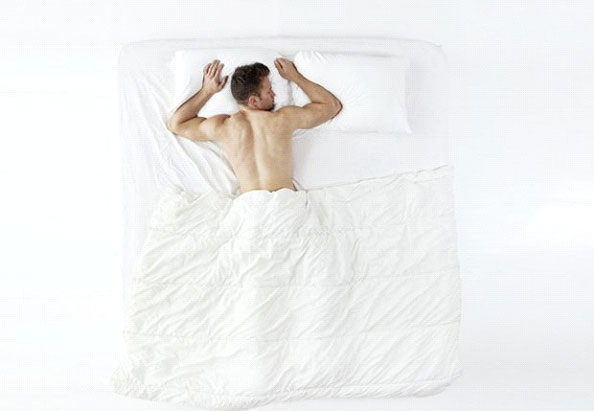
For each type of body pain, there is a sleeping position that can reduce its intensity… Learn about it. For headaches, the position does not matter as long as the neck is aligned with the body. Pain and sleep are opposites that cannot coexist, because pain always wins; which means deprivation of sleep, exhaustion, and a very long night of suffering and tossing in bed.
However, there is a link between them. Whenever anyone feels unwell or in pain, they head to bed hoping that lying down will alleviate the pain.
This approach sometimes works, and sometimes it fails. The reason lies in the fact that each type of pain has a sleeping position that reduces its intensity, while using any other position can make it worse.
Back Pain
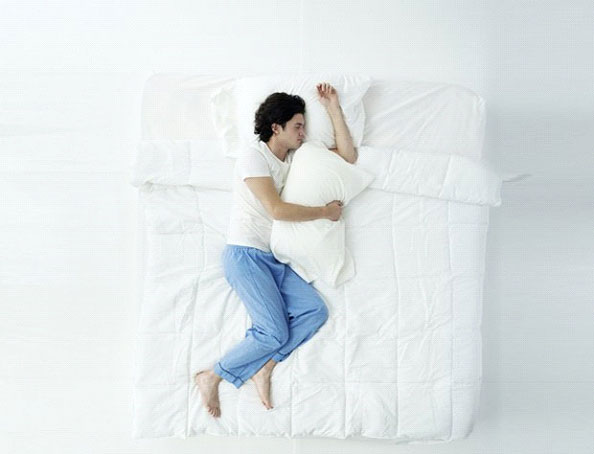
Sleeping positions can cause back pain even if you don’t normally have it. If you suffer from chronic back pain, the ideal position is to maintain the natural curve of the spine.
If you sleep on your back, place a pillow under your knees to relieve pressure on the spine. If you sleep on your side, place a pillow between your knees to provide the necessary support.
People who sleep on their stomachs: this position is not healthy at all and should be gradually avoided. However, during the transitional phase, a pillow under the abdomen and pelvis can be used.
Shoulder Pain

Of course, you should not sleep on the affected side. The problem here is that while you drift into sleep, the chances of changing positions are high, and you may end up sleeping on the affected side.
The mattress should not be too hard or too soft because it affects body positioning during sleep. If you do not feel comfortable, you will change positions.
Try sleeping on your back or stomach (if you insist on it) to reduce tossing at night. If you prefer the side position on the healthy shoulder, place a pillow under the affected shoulder.
Neck Pain

The ideal pillow height is the one that keeps your head and shoulders level. You need to experiment until you find the perfect height that does not raise or lower your neck.
The majority, when seeking relief from neck pain, resort to soft pillows stacked on top of each other. This is completely wrong. Although you may feel comfortable initially, it is temporary because it adds extra pressure to an already affected area.
Hip Pain
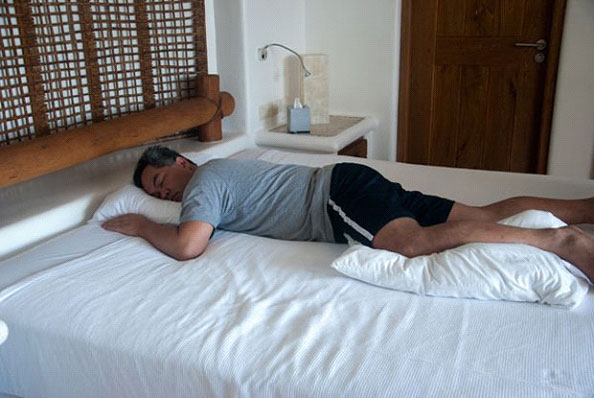
One cause of hip pain is sleeping on one side for a long time or sleeping on a very hard mattress, which leads to inflammation and, consequently, sets the stage for future disorders you can avoid.
If you already suffer from hip pain, the ideal sleeping position is on your back. This position keeps the spine straight and relieves pressure on the hip area.
Knee Pain

Regardless of the sleeping position, pain becomes intense during sleep when the knees touch. The simple and direct solution is to place a pillow or something soft between them to prevent friction.
This is also helpful if you are the type who cannot relax even while sleeping.
Obstructive Sleep Apnea / Snoring

Obstructive sleep apnea is a temporary cessation of breathing that lasts for several seconds and recurs five times per hour. It is often confused with snoring because the affected person, due to the urgent need for oxygen, produces loud snoring.
You should never sleep on your back but on one of your sides. In the case of snoring, it is recommended to sleep on one side with at least two pillows to facilitate breathing.
Jaw Pain
If you suffer from temporomandibular joint (TMJ) disorder or any jaw joint problem, it is necessary to adopt a sleeping position that prevents your cheeks from touching the pillow, meaning sleeping on your back.
Sleeping on one side will create pressure around the jaw, worsening the pain, while sleeping on your stomach is the worst option. Your only solution is to face upwards, ensuring your head and spine are aligned in a straight line.
Heartburn
When the stomach valve relaxes completely, it allows acid to reach the esophagus, creating that uncomfortable sensation. Studies have confirmed that sleeping on the left side reduces heartburn symptoms because this position prevents the valve from fully relaxing.
Use gravity to your advantage and ensure your pillow height is between 10 to 25 cm to increase pressure on the stomach and prevent acid from reaching the esophagus.
Headache
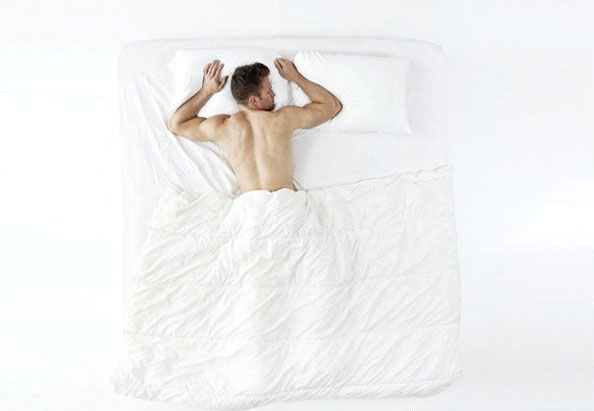
Headaches are usually the result of most of the cases mentioned above, specifically neck, shoulder, and jaw pain. Therefore, if any of these are the cause of the headache, you should adopt the positions specific to each.
If the headache is due to other health issues, you should adopt the position you prefer, as long as the neck remains aligned with the spine and the ear is in line with the shoulder.